General Dentist Tips for Keeping Teeth Healthy Year-Round
Healthy teeth are rarely the result of one big effort. In practice, they come from dozens of small decisions repeated through the year, often when no one is watching and nothing feels urgent. The people who keep their teeth longest usually are not the ones chasing the latest whitening trend or brushing with perfect technique for one heroic week. They are the ones who build habits that survive busy mornings, travel, stress, holidays, and the occasional lapse.
A general dentist sees this pattern every day. Two patients can have similar teeth on paper, yet one drifts into recurring cavities, cracked fillings, and gum irritation while the other stays stable for years. The difference often comes down to consistency, timing, and knowing where the real risks hide. A lot of dental problems are quiet at first. By the time pain appears, the issue is usually larger, more expensive, and more disruptive than it needed to be.
Year-round oral health is not complicated, but it does require judgment. A teenager with braces needs a different strategy than a retired adult with dry mouth. A runner who sips sports drinks all afternoon faces a different risk than an office worker who snacks on crackers at a desk. The basics still matter, but the details matter too.
The daily habits that do most of the work
If there is one lesson that holds up across age groups, it is this: plaque is predictable. It forms every day, and if it is not disturbed regularly, it irritates the gums and feeds the bacteria that drive decay. The strongest long-term results come from simple habits done well enough, often enough.
For most people, that starts with brushing twice a day using a fluoride toothpaste. Timing matters less than completeness. A rushed 30-second scrub misses the areas where plaque likes to settle, especially along the gumline and around the back molars. The goal is not to polish the visible front teeth and move on. It is to clean the places you do not naturally see.
Flossing or cleaning between the teeth once a day is where many adults lose ground. The issue is not perfection. It is coverage. Cavities between teeth and early gum disease often develop in spaces a toothbrush cannot reach. Patients sometimes tell me they brush very well, and they probably do, but brushing alone leaves behind a meaningful percentage of the tooth surface.
A practical home routine usually looks like this:
- Brush for about two minutes, morning and night, with a soft-bristled brush and fluoride toothpaste.
- Clean between the teeth once a day with floss, floss picks, or interdental brushes, depending on what fits comfortably.
- Spit after brushing rather than rinsing aggressively, so more fluoride stays on the teeth.
- Replace the toothbrush or electric brush head every three to four months, or sooner if the bristles splay.
- If cavities, dry mouth, or gum inflammation are recurring issues, ask a general dentist whether a prescription-strength fluoride product or antimicrobial rinse makes sense.
That routine is simple enough to be repeatable, which is the point. A perfect system that falls apart after ten days is less useful than a modest one you can maintain all year.
Technique matters more than people think
Many adults assume that harder brushing means cleaner teeth. In reality, heavy pressure is one of the more common reasons gums recede and teeth become sensitive near the roots. Those root surfaces are softer than enamel and wear down more easily. The person feels “clean,” but over time the damage accumulates.
A lighter touch usually works better. Angle the bristles toward the gumline and use small, controlled motions. Electric toothbrushes can help because they remove some of the guesswork and often reduce the urge to scrub. They are not mandatory, but for patients with limited dexterity, crowded teeth, or a history of missing spots, they often improve plaque control.
Flossing deserves the same kind of care. Snapping the floss straight down between teeth can bruise the gums and make people hate the process. Gently guiding it between the contact points, then wrapping it around one tooth and then the next, cleans more effectively and feels less punishing. Sometimes the barrier is not laziness, it is discomfort from poor technique.
Food and drink shape the mouth all day long
Most people associate sugar with cavities, which is fair, but frequency matters as much as quantity. Teeth can often tolerate dessert with a meal better than constant grazing on “small” snacks that bathe the mouth in fermentable carbohydrates all afternoon. Every exposure gives cavity-causing bacteria another chance to produce acid. The mouth can recover, but not if the assaults are nearly continuous.
Sticky foods are especially troublesome because they cling to grooves and between teeth. Dried fruit, chewy granola bars, and crackers can linger longer than people expect. Even foods marketed as wholesome or natural can drive decay if they are eaten often and oral hygiene is inconsistent.
Drinks create their own category of risk. Soda is the obvious example, but sweetened coffee, energy drinks, sports drinks, and flavored sparkling beverages can be just as hard on enamel. Some are sugary, some are acidic, and some are both. I have seen patients with surprisingly clean diets develop enamel wear because they sip lemon water or vinegar-based drinks all day, convinced they are making a healthy choice.
The mouth does better with defined eating and drinking times rather than a constant trickle. Water between meals helps. So does chewing sugar-free gum with xylitol after eating, especially when brushing is not possible. It stimulates saliva, and saliva is one of the body’s best defenses against acid and decay.
Saliva does more than most people realize
When a patient suddenly starts getting cavities after years of stability, dry mouth is often part of the story. Saliva neutralizes acids, washes away food particles, and supplies minerals that help repair early enamel damage. When saliva drops, the whole environment shifts in the wrong direction.
Dry mouth can stem from dehydration, mouth breathing, certain medical conditions, or medications. Antihistamines, some antidepressants, blood pressure medications, and many others can contribute. This is particularly common in older adults, but it can happen at any age.
The signs are not always dramatic. People may notice they need water at night, their lips feel dry, food sticks more, or their mouth feels tacky when they speak. Others only discover the problem when new cavities appear near the gumline, an area that often suffers when saliva is reduced.
If that sounds familiar, it is worth bringing up with a general dentist. The fix is not always as simple as “drink more water,” although hydration helps. Sometimes the plan includes fluoride treatments, saliva substitutes, xylitol products, or a conversation with a physician about medication side effects. Catching this early can save a great deal of restorative work later.
Seasons change, and oral habits change with them
Teeth do not care what month it is, but routines certainly do. Summer often brings travel, sports, pool snacks, and a looser schedule. Children stay up later, adults snack more casually, and oral care gets pushed back by vacations and camp mornings. A week away from structure can turn into a month of skipped flossing before anyone notices.
Autumn brings its own hazards. School schedules return, but so do packed lunches, frequent coffee runs, and sports seasons that increase the risk of dental injuries. Candy enters the picture more often as holidays approach, and many families slide into a pattern of “just this once” treats that become daily.
Winter creates a different set of problems. Dry indoor air can worsen mouth dryness, especially for people who already breathe through their mouth at night. Cold weather can also make existing sensitivity more noticeable. If ice water and winter air suddenly trigger pain, that can point to exposed root surfaces, worn enamel, or a cavity that is beginning to announce itself.
Spring is often when people remember they have dental insurance benefits, schedule overdue checkups, and try to reset routines. That timing is useful, but oral health works better when care is not compressed into one catch-up season.
Regular checkups are less about cleaning and more about timing
Professional cleanings matter, but the real value of regular dental visits is often diagnostic. Plaque and tartar removal help keep gums calmer, yet the larger benefit is finding problems when they are small. A tiny cavity can often be treated with a straightforward filling. The same neglected area may later require a crown, root canal treatment, or extraction. Gum inflammation can often be reversed early. Advanced periodontal disease is another matter entirely.
How often a patient should be seen varies. Every six months is common, but it is not a magic number for everyone. Someone with stable gums, low cavity risk, and excellent home care may not need the same schedule as a person with heavy tartar buildup, diabetes, dry mouth, or a history of recurring decay. A good general dentist tailors the interval rather than applying a blanket rule.
These visits are also the best place to catch chipped teeth, failing restorations, grinding damage, bite changes, and suspicious soft tissue findings. Many of these are painless in the beginning. Waiting for discomfort is a poor screening tool.
Gum health deserves equal attention
People tend to focus on teeth because they are visible and concrete. Gums are easier to ignore until bleeding starts, and even then many assume bleeding is normal. It is not. Healthy gums should not regularly bleed when you brush or floss.
Gingivitis, the earliest stage of gum disease, often improves with better plaque control and professional cleaning. Once the disease progresses deeper and bone support is affected, treatment becomes more involved and maintenance becomes more important. Smoking, diabetes, hormonal changes, and genetics can all influence how gum disease develops, but plaque remains central.
One of the more frustrating patterns in dental care is the patient who pays close attention to cavities but overlooks gums completely. They may avoid needing fillings while slowly losing periodontal support. Teeth need both hard tissue and healthy foundation. You cannot separate them for long.
Grinding, clenching, and stress leave marks
Not every dental problem is about sugar or hygiene. Many adults damage their teeth through grinding and clenching, often during sleep and often without realizing it. The signs can be subtle: flattened edges, small chips, morning jaw tension, headaches near the temples, or teeth that feel sore without an obvious cavity.
Stressful periods tend to amplify this. During tax season, exam season, family caregiving, job changes, or prolonged anxiety, the jaw can do a surprising amount of work overnight. A custom night guard is not necessary for everyone, but for the right patient it can be one of the highest-value preventive tools in dentistry. It does not always stop the clenching habit, but it can protect enamel, reduce fracture risk, and spare expensive restorations.
This matters because modern dentistry can rebuild damaged teeth, but repeated heavy forces break even well-done dental work. Crowns, veneers, fillings, and implants all last longer in a stable bite.
Sports, hobbies, and everyday accidents
Adults often think mouthguards are for children in contact sports. In reality, plenty of dental injuries happen in casual recreation, cycling, basketball, skating, skiing, and even home improvement projects. One fall can undo years of careful dental care.
A properly fitted mouthguard is far more protective than the flimsy stock versions many people buy at the last minute. Custom guards are ideal for regular athletes, especially those with braces or extensive dental work. Even for recreational players, some protection is far better than none.
Then there are the habits people barely register as risky. Opening packages with teeth, crunching ice, chewing pen caps, or biting fingernails can create cracks that start small and spread over time. I have seen seemingly “random” broken teeth that were not random at all once the patient thought through those routines.
Children, teens, and adults do not face the same risks
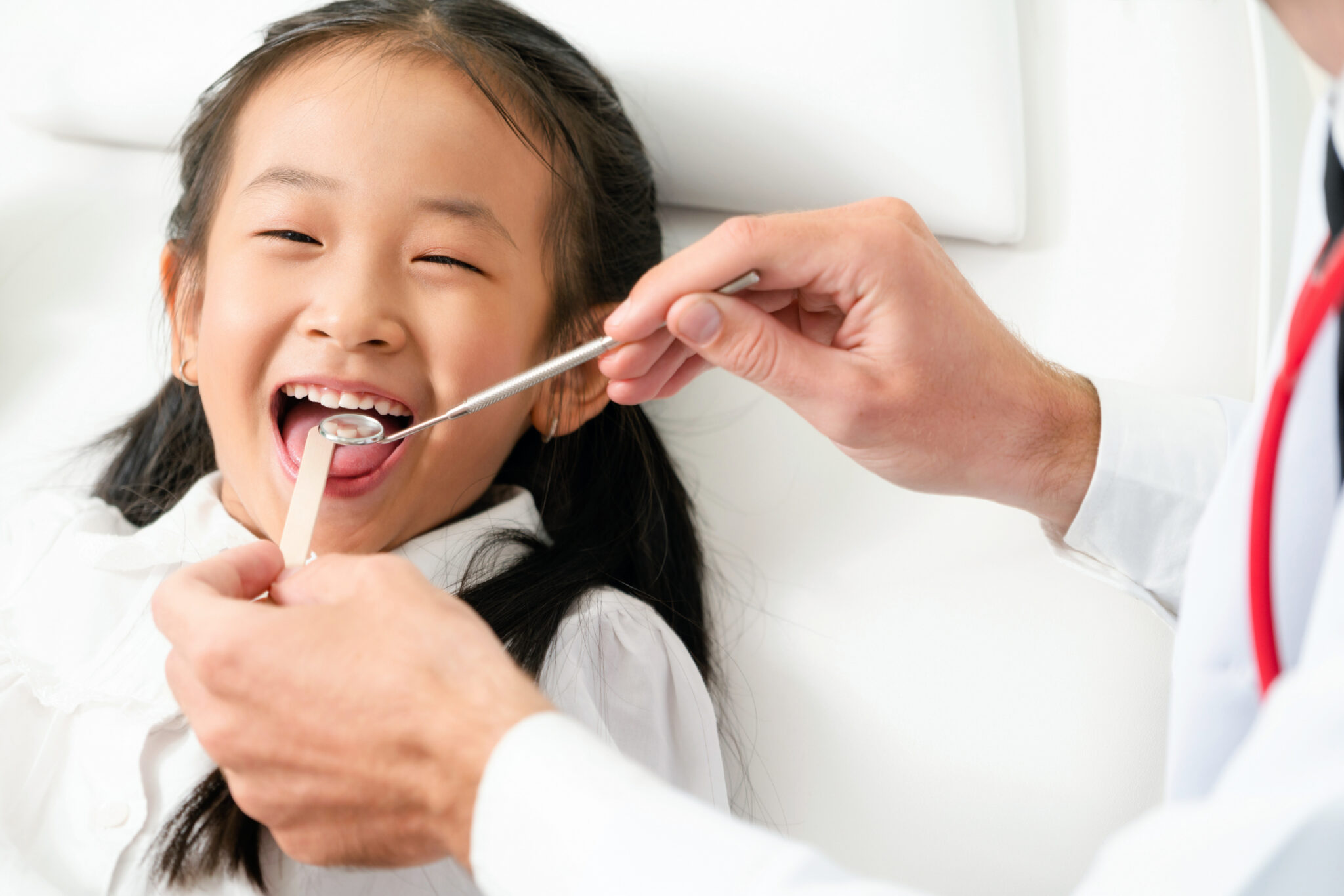
Year-round dental care changes with age. Young children need help brushing longer than many parents expect, often until they have the hand skills to tie shoes neatly General dentist and write with control. Even then, supervision still helps. Molars erupt with deep grooves, and those chewing surfaces can trap plaque easily. Sealants can be very useful for cavity-prone children because they protect grooves that a toothbrush may not fully reach.
Teenagers are a separate challenge. Diet shifts, sports increase, routines become less supervised, and orthodontic appliances can complicate cleaning. A teen with braces can develop white spot lesions, early signs of enamel demineralization, surprisingly quickly if plaque sits around brackets. The damage can be visible even after the braces come off.
Adults often juggle the competing pressures of time, stress, coffee, and postponed appointments. Older adults may add medications, gum recession, dental wear, and dry mouth to the mix. The principles remain similar, but the weak points move.
Whitening, sensitivity, and the pursuit of bright teeth
Patients often want their smile to look healthier, and whitening can be a reasonable part of care, but it helps to be selective. Whitening products do not strengthen teeth. Used appropriately, many are safe, but overuse can increase sensitivity and irritate gums. If someone already has exposed roots, untreated cavities, or gum recession, jumping straight into whitening can make a manageable problem feel much worse.
Sensitivity itself deserves attention. It may reflect gum recession, enamel wear, a cracked tooth, grinding, aggressive brushing, or decay. Sometimes a toothpaste for sensitivity is enough. Sometimes it is only masking a deeper issue. When cold air or sweet foods suddenly trigger discomfort in one specific tooth, that is a clue worth investigating rather than tolerating.
Small warning signs that should not wait
Dental problems rarely improve through willpower. Early action often means simpler treatment, lower cost, and less discomfort. It is wise to contact a dentist sooner rather than later if you notice any of the following:
- bleeding gums that continue for more than a week despite improved cleaning
- sensitivity or pain that is increasing rather than fading
- a chipped tooth, rough edge, or filling that feels loose
- bad breath or a bad taste that lingers despite brushing
- swelling, a pimple-like bump on the gums, or pain when biting
Patients sometimes put off calling because the tooth stops hurting. That can be misleading. A dying nerve may quiet down temporarily while the infection continues to develop around the root. Relief is not always resolution.
What year-round success actually looks like
A realistic oral health plan is not built on fear. It is built on predictability. Brush and clean between the teeth consistently. Keep sugary and acidic exposures from becoming all-day events. Drink water often. Notice dryness, sensitivity, bleeding, and bite changes early. Protect teeth during sports and grinding. Show up for regular evaluations before small issues become large ones.
The best preventive dentistry is usually unremarkable. There is no drama to it. It is the General dentist parent who helps a tired child brush even after a long evening. It is the traveler who packs floss because routine disappears on the road. It is the adult who stops sipping sports drinks at a desk all afternoon. It is the patient who mentions a little jaw soreness before it becomes a cracked molar.
A general dentist can repair a lot, but preserving healthy tooth structure is still the better path. Enamel does not grow back. Gum recession does not reverse easily. Large restorations, however skillfully done, are never the same as an intact natural tooth. That is why the ordinary choices matter so much.
Healthy teeth year-round come from patience more than intensity. The work is quiet, repetitive, and sometimes easy to dismiss. It is also what keeps dental care simpler, less invasive, and more affordable over the long run.
Smyle Dental Bakersfield
Address: 2016 E St, Bakersfield, CA 93301
Phone number: +16614939040
FAQ About General dentist
What does it mean by general dentist?
A general dentist is your primary dental care provider. They focus on the overall prevention, diagnosis, and treatment of your daily oral health needs. Think of them as your primary care doctor, but for your teeth and gums.
What is the difference between a dentist and a general dentist?
A dentist is a broad professional title for any licensed oral healthcare provider, while a general dentist is a specific type of primary care dentist who focuses on routine, preventive, and everyday treatments.
What is the difference between a dentistry practitioner and a dentist?
A dentist is a licensed doctoral-level healthcare professional, whereas a dental practitioner is a broader umbrella term that can include dentists as well as other trained oral health professionals.